
-
FAQ's
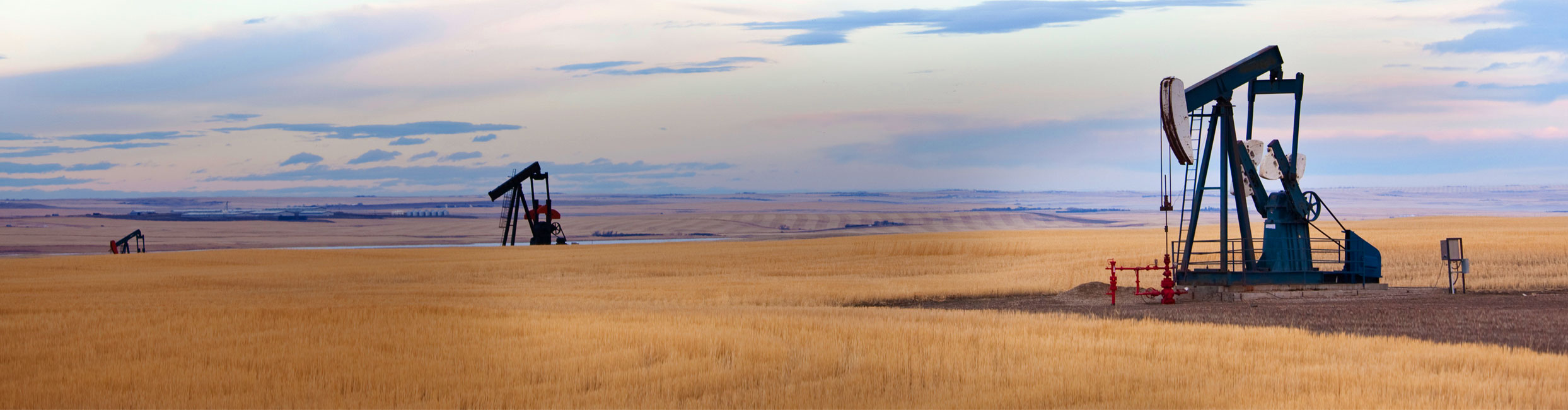
The royalty interest is a portion of the income from the production of the oil or gas well interest. The income is based on your percentage ownership of the well. You, as the royalty owner, are not responsible for any portion of the cost to operate the well. However, you may be obligated for other expenses such as ad valorem/property taxes, gathering charges, treatment expenses, and other charges as specified in the lease.
- Cleaning up your estate and saving your heirs from the complicated and expensive title transfer process.
- Reinvesting the proceeds in safer investments.
- Putting an end to all the record keeping and paperwork.
- Taking advantage of the lowest long-term capital gains tax rate since the Great Depression (15%) before Washington follows through on promises to let the Bush tax cuts expire.
- Paying off debt, such as high-interest credit card balances, medical bills, a mortgage, or a car loan.
- Applying the lump sum toward important family priorities, such as college expenses, a home improvement project, or even a well-deserved family vacation.
Yes. Oil and gas reserves are finite, and every oil and gas well is destined to be plugged and abandoned. So, although royalty income can increase in the short term due to rises in oil and gas prices or production enhancement projects, you can be certain that your royalty checks will decline over the long run and will one day stop coming.
The payments you receive are based on your percentage interest in the production of the well. The check you receive reflects the volume of oil or gas produced that month, times your interest, less applicable charges. Price and volume produced will influence your payments.
Your checks vary depending on the volume of production in the month(s) for which you are being paid and on the price of oil and/or gas received by the owners (including you) in those months. The production volumes vary due to the number of days in a particular month, operational difficulties with the producing equipment, mechanical efficiencies, reservoir decline, etc. Product prices change daily due to fluctuations in the world financial markets.
You should contact an attorney who can prepare proper conveyance documents.
First, contact the last company from whom you received checks. Ask them if they are still the purchaser of oil or gas from this well or lease, and if not, to whom did they transfer this particular lease. If you are not satisfied with the answer, you can try the Property Tax Office of the county in which your interest resides. Many states have property taxes and each county should have records of your ownership as well as operator's name and address. You could also check your most recent tax bill which may list the operator's name and address. Once you have the operator's name, contact them to see if the well or lease is producing and which purchaser you should contact about getting paid. If you noticed over time your checks becoming smaller before finally ceasing altogether, the lease probably depleted and production has ended. You may still own minerals under the tract, but with no production there will be no income.
Depletion is similar to depreciation. It is a way for taxpayers with an "economic interest" in a lease to recover the capital invested in the exploration for oil or gas. Under the current tax law, a royalty owner is considered to have an "economic interest" and therefore is entitled to depletion. There are two types of depletion: cost and percentage. Typically, a taxpayer entitled to depletion computes both cost and percentage depletion, and takes a deduction of the larger of the two. In order to verify the correctness of your return, you should contact a tax accountant with experience in oil and gas accounting.
GRP Energy Capital has a simple process we use to evaluate your interest and provide you with a prompt and fair offer.